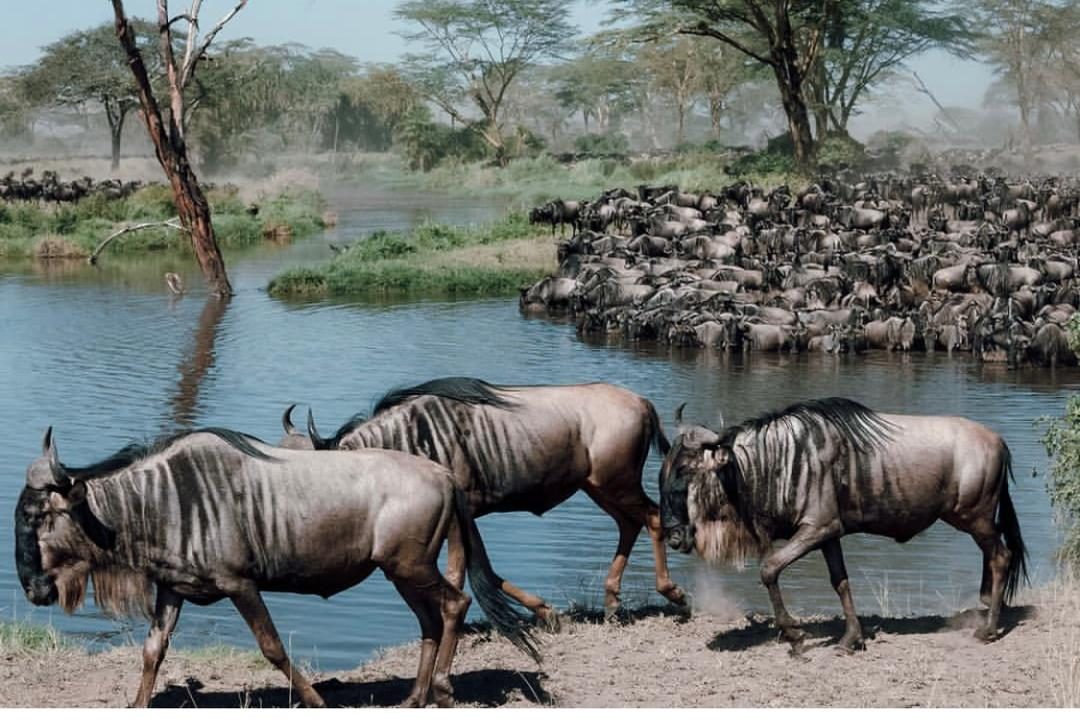
Wildebeest migration in the Serengeti
Home  /  Serengeti  /  Great Migration
The Great Migration

The Great Migration

Over 1.5 million wildebeest in a single restless tide — here is how to witness it, month by month.

The Field Report

Not an event — a cycle

The Great Migration is a continuous, year-round movement. Over 1.5 million wildebeest, joined by hundreds of thousands of zebra and gazelle, move in a vast clockwise loop through the Serengeti ecosystem, shadowed every step by lions, cheetah, hyena and crocodile.

Because the herds are always moving, where you stay matters more than when you go. The key is being in the right region for the season — which is exactly what we plan for.

The migration month by month

  • Jan–Mar — Calving (Ndutu / southern Serengeti): Hundreds of thousands of births; dramatic predator action.
  • Apr–May — The move north: Herds mass and move; green-season scenery, fewer crowds.
  • Jun — The rut & Grumeti crossings: Breeding season and the first river drama.
  • Jul–Sep — Mara River crossings: The iconic, perilous northern crossings.
  • Oct–Dec — The return south: The herds drift back as the short rains green the plains.

How we plan it

We position your camps in the right part of the Serengeti for your dates, often using mobile tented camps that follow the herds. River crossings can never be guaranteed — nature sets the schedule — but being in the right place for several nights dramatically improves your chances. See our Serengeti safaris →

Good to Know

Questions, answered

What travellers most want to know before they begin.
What is the Great Migration?
The year-round movement of over 1.5 million wildebeest, plus hundreds of thousands of zebra and gazelle, in a clockwise loop through the Serengeti ecosystem following the rains and fresh grazing.
When are the Mara River crossings?
Typically July to September in the northern Serengeti, though exact timing varies each year with the rains. These are the iconic crocodile-and-wildebeest scenes.
When is the calving season?
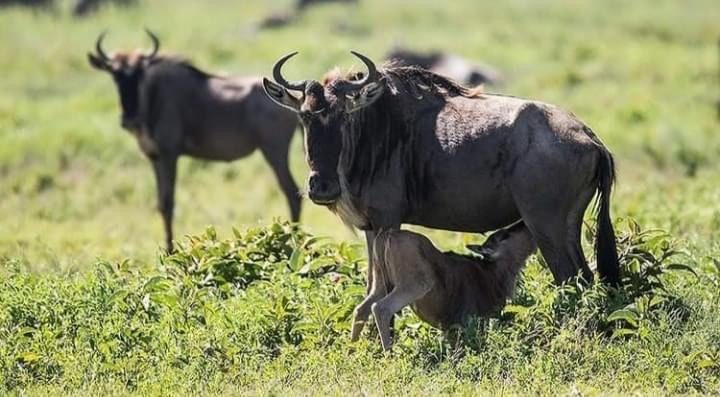
Roughly late January to March in the southern Serengeti and Ndutu, when several hundred thousand calves are born within weeks — extraordinary predator activity.
How many days do I need to see it?
Plan at least three to four nights in the right region for the season, as the herds move and crossings are unpredictable. We build flexible itineraries to maximise your chances.
Tanzania safari at golden hour
Begin Your Journey

Witness the Migration

Share your dates, your vision and a sense of your budget. A tailor-made proposal will reach you within 48 hours.

Chat with us